

Capturing the elusive beauty of the stellar blade fish can be a thrilling adventure for underwater photographers and marine enthusiasts alike. Known for its striking appearance and graceful movements, this unique species draws photographers to the depths of the ocean in search of the perfect shot. However, finding the right locations to photograph these fish can be a challenge.
From vibrant coral reefs to secluded underwater caves, the stellar blade fish thrives in diverse habitats. Each location offers distinct opportunities to showcase its stunning features in their natural environment. Exploring these prime spots not only enhances photography skills but also deepens appreciation for marine life. In this article, readers will discover the best locations to photograph stellar blade fish, ensuring unforgettable underwater experiences and breathtaking images.
Overview of Stellar Blade Fish
Stellar blade fish, known for their striking appearance and graceful movements, inhabit various underwater environments. These fish thrive in vibrant coral reefs, where they blend seamlessly with colorful marine life. Additionally, they often take refuge in underwater caves, providing photographers with captivating settings for imagery.
The body of the stellar blade fish features elongated fins that create a unique silhouette, making them visually appealing subjects. Typically marked by iridescent colors, their scales reflect light beautifully, producing captivating effects in photographs.
Stellar blade fish usually swim in small groups, showcasing social behavior that presents numerous photographic opportunities. Their active nature allows photographers to capture dynamic shots, highlighting their agility and gracefulness in motion. Photographers benefit from understanding these behaviors and choosing the right time for their shots, as early mornings and late afternoons tend to yield the best lighting conditions for underwater photography.
Best Locations for Photography
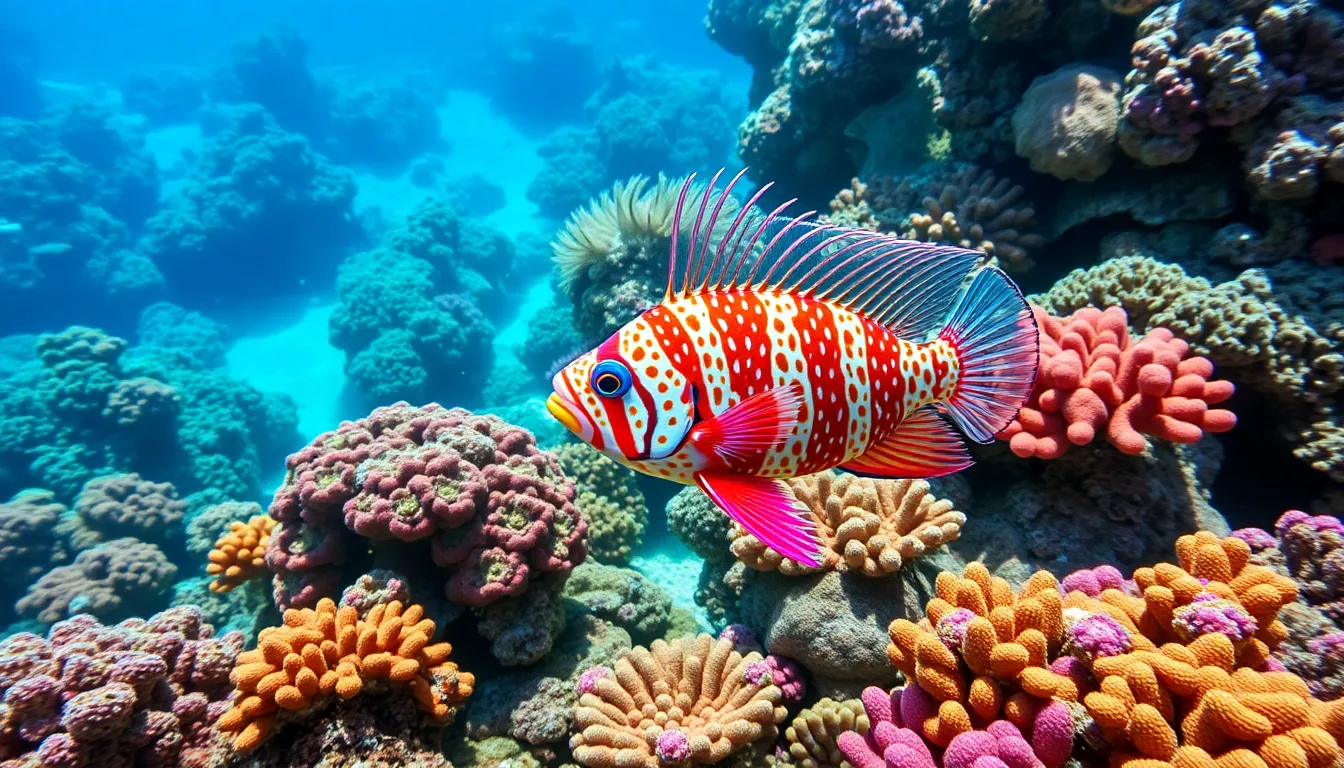
Utilizing optimal photography locations enhances chances for capturing stunning images of the stellar blade fish. Two primary environments provide exciting opportunities for photographers: coral reefs and seagrass beds.
Coral Reefs
Coral reefs host vibrant ecosystems that attract stellar blade fish. Rich in color and variety, these environments allow photographers to capture the fish among a backdrop of intricate coral formations. Locations such as the Great Barrier Reef in Australia and the Red Sea near Egypt are renowned for their biodiversity. Factors like water clarity and light exposure maximize the quality of images. Photographers often find success by exploring deeper areas of the reef, where the fish frequently hide among corals, providing dynamic scenes.
Seagrass Beds
Seagrass beds offer unique habitats that serve as feeding grounds for stellar blade fish. These underwater meadows often provide calm waters, making them ideal for photography. Areas such as Florida’s Gulf Coast and the Bahamas feature expansive seagrass beds teeming with marine life. Photographers can capture the fish as they swim gracefully through the grass, often in groups. Utilizing shallow water access enables clear, well-lit shots while minimal disturbances allow close encounters with these fish.
Planning Your Photo Trip
Planning a successful photo trip for capturing stellar blade fish involves careful consideration of timing, conditions, and the right gear. This section outlines essential factors to enhance photography experiences.
Timing and Conditions
Timing significantly influences the quality of underwater photos. Early mornings and late afternoons provide optimal lighting, producing vibrant colors and reducing harsh shadows. These periods also coincide with increased fish activity, showcasing stellar blade fish in their natural behaviors. Additionally, plan trips during calm weather conditions to minimize water turbulence. Tide cycles can affect visibility; aim for periods around high tide for clearer water and better opportunities to photograph groups of stellar blade fish as they feed.
Required Gear and Preparation
Preparation plays a critical role in the success of any underwater photography trip. Essential gear includes:
- Underwater camera housing: This protects the camera while allowing for crystal-clear shots.
- Wide-angle lens: This enables capturing broader scenes, enhancing background elements.
- Strobe lights or underwater flash: These improve lighting, especially in deeper or shaded areas.
- Dive computer: This monitors depth and time, ensuring safety during extended underwater sessions.
Packing additional essentials—such as extra batteries, memory cards, and dive gear—ensures readiness for unexpected situations. Familiarizing oneself with camera settings before entering the water and practicing buoyancy control will also lead to better composition and stability while photographing stellar blade fish.
Ethical Photography Practices
Practicing ethical photography helps preserve marine environments and protects the stellar blade fish. Following these guidelines ensures respect for wildlife and their ecosystems.
- Minimize Disturbance: Photographers should avoid causing stress or disruption to marine life. Maintaining a safe distance allows for natural behaviors, resulting in authentic photos.
- Respect Local Regulations: Fish and wildlife protection laws vary by location. Understanding and adhering to these regulations prevents legal issues and encourages sustainable practices.
- Avoid Touching or Handling: Photography may tempt interaction, but touching coral or fish can damage delicate ecosystems. Keeping hands to oneself preserves natural habitats.
- Use Proper Equipment: Selecting suitable gear minimizes the impact on wildlife. Utilizing wide-angle lenses reduces the need for close proximity and captures the fish in their habitat effectively.
- Limit Time in Sensitive Areas: Shortening stays in fragile environments helps maintain ecological balance. Frequent movement through sensitive regions can lead to habitat degradation.
- Educate Others: Sharing knowledge about ethical practices promotes awareness among fellow photographers and divers. Discussing the importance of conservation encourages a collective effort to protect marine ecosystems.
- Practice Leave No Trace: Adopting a “leave no trace” approach during outings ensures that natural habitats remain undisturbed. Proper disposal of waste prevents pollution, benefiting marine life and ecosystems.
By following these ethical practices, photographers contribute to the conservation of stellar blade fish and their environments, ensuring that future generations enjoy their beauty.
Capturing the stunning beauty of the stellar blade fish requires not just skill but also knowledge of the best locations and conditions. By exploring vibrant coral reefs and serene seagrass beds photographers can enhance their chances of getting breathtaking shots.
Planning is crucial for a successful photo trip. Timing the visits for early mornings or late afternoons can yield the best lighting and fish activity.
Ethical practices also play a vital role in preserving these magnificent creatures and their habitats. By respecting marine life and following conservation guidelines photographers can ensure that future generations will continue to marvel at the stellar blade fish in their natural environments.


